A Look at New York's Flatiron Building, Remade From the Inside
Andria Cheng | CoStar
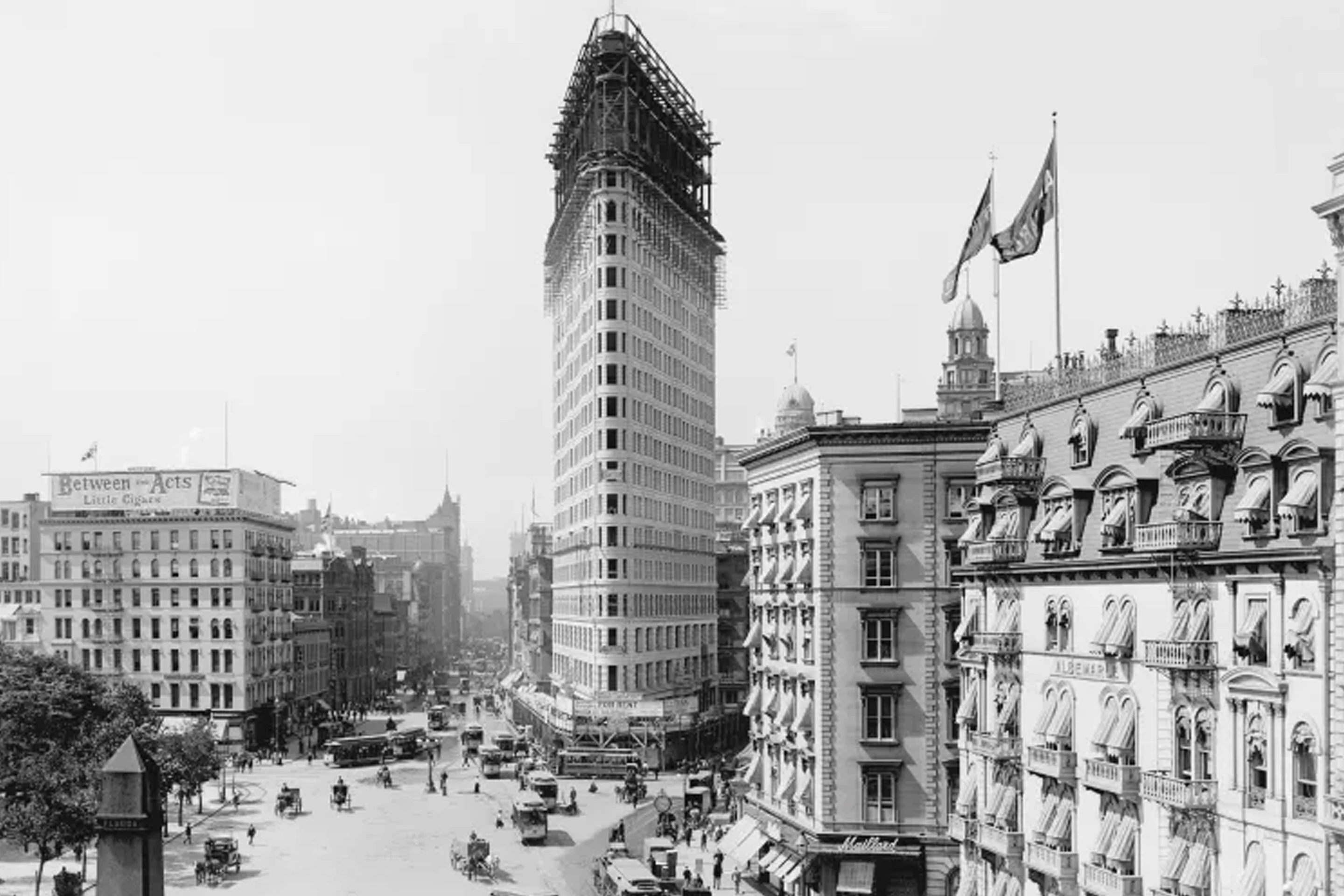
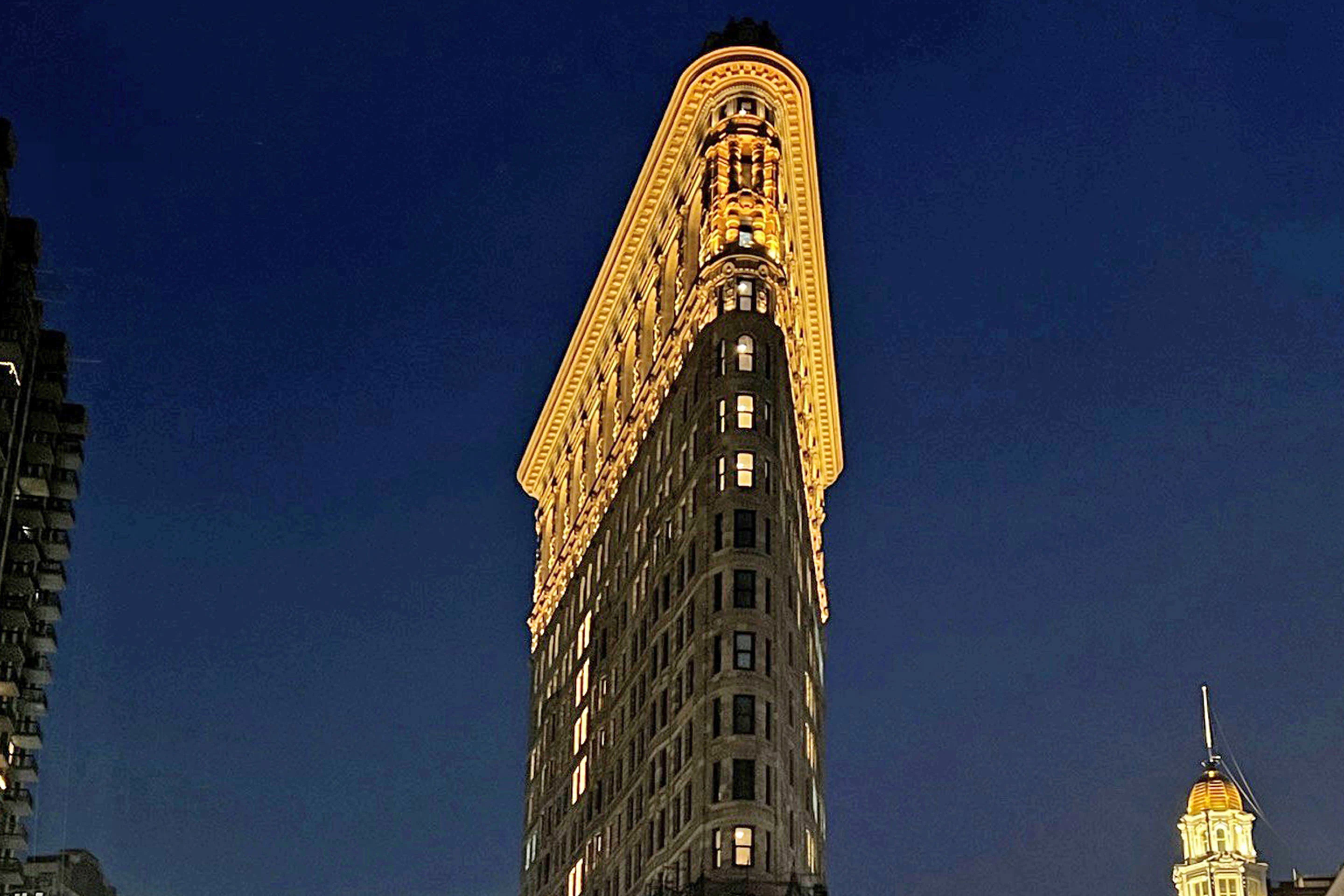
The Flatiron Building has always been a study in illusion — a razor-thin wedge that appears delicate from afar — but has anchored New York’s streetscape for more than a century.
Now, after serving as an architectural beacon for 124 years, the landmark known worldwide from paintings and photographs has been taken down to its essence — not to preserve it as is, but to remake it for how New Yorkers live today.
Behind the beaux-arts facade at 175 Fifth Ave., nearly everything was stripped away. What remains are the exterior walls and structural columns as the former office building is converted into 36 luxury condominiums, down from 38 after some buyers combined units.
The overhaul matters beyond a single trophy asset. It’s one of the most high-profile office-to-residential conversions not just in Manhattan but nationwide, a test case for how cities can repurpose aging offices. It also shows how even iconic buildings can adapt to residential use without losing what made them symbols.
Designed by Daniel Burnham and completed in 1902, the Flatiron is undergoing a top-to-bottom reinvention that preserves its defining character.
“We ripped everything out,” said Dean Amro, a principal at The Brodsky Organization, the multigenerational developer leading the project. “The only thing that remained was really the exterior facade and the structural columns.”
Those elements — along with other rediscovered or repurposed details — now anchor both the design and the sales pitch, setting the project apart from newer luxury towers.
New York’s office-to-residential-conversion starts last year totaled 5 million square feet, the highest annual total in at least 20 years, according to a report from Cushman & Wakefield. Nationwide, office-to-residential conversions — led by New York — are set to break records again this year, according to a RentCafe study.
The change reflects the pandemic-driven hybrid work trend that has created sticky high office vacancies, a flight to quality that has left some buildings obsolete or outdated, and a growing view that some properties are better suited for housing at a time of record-high average multifamily rents, industry professionals say.
The goal for the Flatiron is to attract buyers drawn as much to the building’s history and unusual geometry as to its modern finishes.
“Anywhere that there is structure … we chose to celebrate that,” Amro said in an interview during a walkthrough of the building. “People gravitate towards this building because of its history. … But they don’t want to live in 1902. They want modern kitchens and modern bathrooms. We spent a lot of time … thinking through ‘How do you meld the kind of historic context, but also give people a comfortable living space that’s consistent?’”
Past meets present
That balance shows throughout the building. Original mosaic lobby flooring uncovered beneath a later marble layer has informed a restoration that echoes the early 20th-century design. Private unit vestibules — each served by elevator access directly to the floor — now feature hand-clipped mosaic tiles as a nod to that craftsmanship.
Other elements have been reimagined. Spindles from the original staircase have been repurposed as legs for pedestal sinks in powder rooms. Exposed steel columns, rather than concealed, are integrated into closet shelving or serve as focal points in living rooms. Even the revolving door — tracked down to its original manufacturer in Indiana — has been refurbished and will return as the main residential entrance.
“We felt that was what made this building extra special,” Amro said. “People … attracted to this building really appreciate being able to be up close and personal” with it.
The building has been largely vacant since 2019, when Macmillan Publishers relocated downtown. Its unusual triangular footprint — long a defining feature — proved to be one of the project’s biggest design challenges. Office conversions can be complex and costly, often requiring deep structural changes, that can limit viable candidates.
“What we’re attracted to about this building … is because … it’s not too thick or deep,” Amro said. “You have so much light and air that every room has these huge windows. … This, to me, is real New York.”